
Market Insights
Supply Chain Risk Management as Trade Policy Activity Rises
What the latest WTO-IMF trade-policy data means for contract terms, documentation, working capital and transaction-specific risk reviews.
Credit Glorious Team · · 6 min read
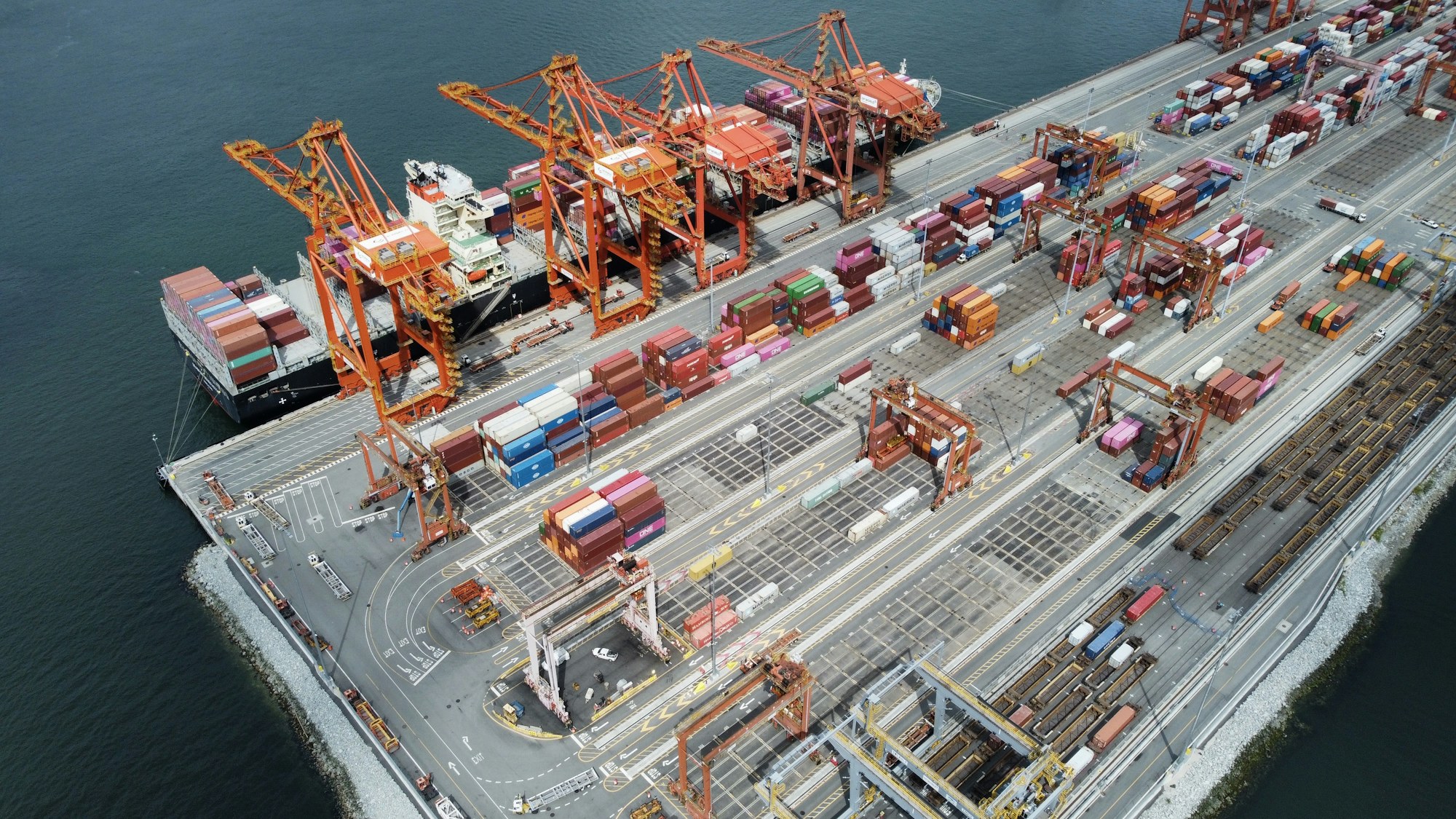
Trade policy may require more frequent review than traditional planning cycles assume. A new update to the WTO-IMF Trade Policy Activity (TPA) Index shows that policy activity remained elevated through the first five months of 2026, increasing the frequency with which businesses may need to reassess contracts, documentation, counterparties and working-capital assumptions.
The signal is important, but it needs to be interpreted carefully. The index tracks changes in trade-policy activity across a broad set of economies and measures. It does not by itself measure the overall level of trade restrictiveness, nor does it predict that a specific shipment, jurisdiction or counterparty will be affected.
What the latest WTO–IMF data shows
An update to the WTO-IMF TPA Index, reported by the WTO in July 2026, showed that average global trade-policy activity from January through May was nearly twice its 2024 level and approximately one quarter above its 2025 average. The increase was broad-based rather than limited to the largest economies. Restrictive measures—such as tariff increases, import bans and quantitative restrictions—rose particularly sharply, while subsidies and other policy interventions also contributed.
The underlying WTO–IMF research covers 197 countries and territories and uses data from the WTO Trade Monitoring Database and Global Trade Alert. The index uses a Dynamic Factor Model to extract a common signal from changes in trade-policy activity across countries at monthly frequency.
That makes the index a useful monitoring signal. It is not, however, a substitute for transaction-specific legal, sanctions, customs or credit analysis.
Trade remains resilient, but the operating environment is changing
Rising policy activity should not be confused with a collapse in trade. The WTO Goods Trade Barometer stood at 101.7 in June 2026, above its baseline of 100. The WTO described merchandise trade as remaining above trend, although the indicator had eased from 102.3 in January and suggested that growth could be slowing.
For companies, the combination matters: trade flows may remain resilient while the rules, costs and routes surrounding individual transactions change more frequently.
Rising policy activity may increase the frequency with which contract assumptions require review—for example, when tariffs, import restrictions, transport routes or documentary requirements change. None of these developments automatically makes a transaction unworkable. They do increase the value of disciplined review before funds, goods or performance obligations are committed.
Five areas importers and exporters should review
1. Contract economics
Identify which party bears changes in tariffs, freight, insurance, storage and delay costs. Price-adjustment, force-majeure, change-in-law and termination provisions should be examined together rather than in isolation. Legal counsel should confirm how those clauses operate under the governing law.
2. Documentary requirements
Check that commercial invoices, transport documents, certificates and any documentary-credit requirements remain consistent with the intended route and delivery terms. Small inconsistencies can delay presentation, acceptance or payment even when the underlying goods have moved as planned.
3. Counterparty and jurisdiction exposure
Refresh due diligence when circumstances change. This may include corporate authority, sanctions screening, beneficial ownership, banking channels and the enforceability of contractual obligations. A previous review should not be treated as permanently current.
4. Working-capital timing
Model the effect of delays on cash conversion, supplier payments and customer receipts. A transaction can remain profitable on paper but create liquidity pressure if goods, documents or payments arrive later than expected.
5. Scope of payment and performance instruments
Common instruments used in cross-border transactions include letters of credit, standby letters of credit, bank guarantees and contract bonds; each serves a different purpose. The instrument, wording, applicable rules and documentary conditions should reflect the underlying commercial obligation. Selection should follow the transaction structure—not precede it.
What trade-finance instruments do not cover
Trade-finance instruments typically address defined payment or performance risks between commercial parties. They should not be assumed to provide protection against tariffs, sanctions, government action, currency movements or geopolitical disruption unless a separate, specifically documented product provides that protection.
The distinction is essential. A well-structured instrument can support contractual confidence and clarify documentary conditions, but it cannot remove every external risk affecting a cross-border transaction.
A practical monitoring discipline
Businesses do not need to redesign every transaction each time a policy headline appears. They do need a repeatable process for identifying when a change is material.
A practical review can begin with four questions:
- Has the policy change affected the goods, route, jurisdiction or parties involved?
- Does it alter price, timing, documentation or the ability to perform?
- Do the contract and financial instrument still reflect the revised exposure?
- Is specialist legal, customs, sanctions or insurance advice required?
This approach keeps the response proportionate. It avoids both complacency and unnecessary reaction to developments that do not affect the transaction.
The takeaway
The latest WTO–IMF data points to a more active global trade-policy environment, while the WTO barometer indicates that merchandise trade remains resilient. For importers and exporters, the implication is not to stop trading; it is to review transaction assumptions more frequently and document decisions more carefully.
Supply chain risk management is strongest when commercial terms, documentary processes, working-capital planning and financial instruments are assessed as one connected structure.
Sources
- World Trade Organization, “Updated WTO-IMF TPA Index shows continued rise in global trade policy activity,” July 23, 2026
- International Monetary Fund, “Measuring Global Trade Policy Activity,” Working Paper 2025/220, October 24, 2025
- World Trade Organization, “Goods trade holding up despite Middle East conflict and high energy prices,” June 5, 2026
- supply chain risk management
- trade finance risk management
- international trade risk
- WTO-IMF TPA Index